Product links on this page go to Amazon. If you buy through them, Which Water Softener earns a commission. How we pick and earn
Hard water carries dissolved calcium and magnesium. A softener takes them out by swapping them for sodium (or potassium) inside a tank of resin beads, then periodically washes the collected hardness down the drain with brine.
The resin bed
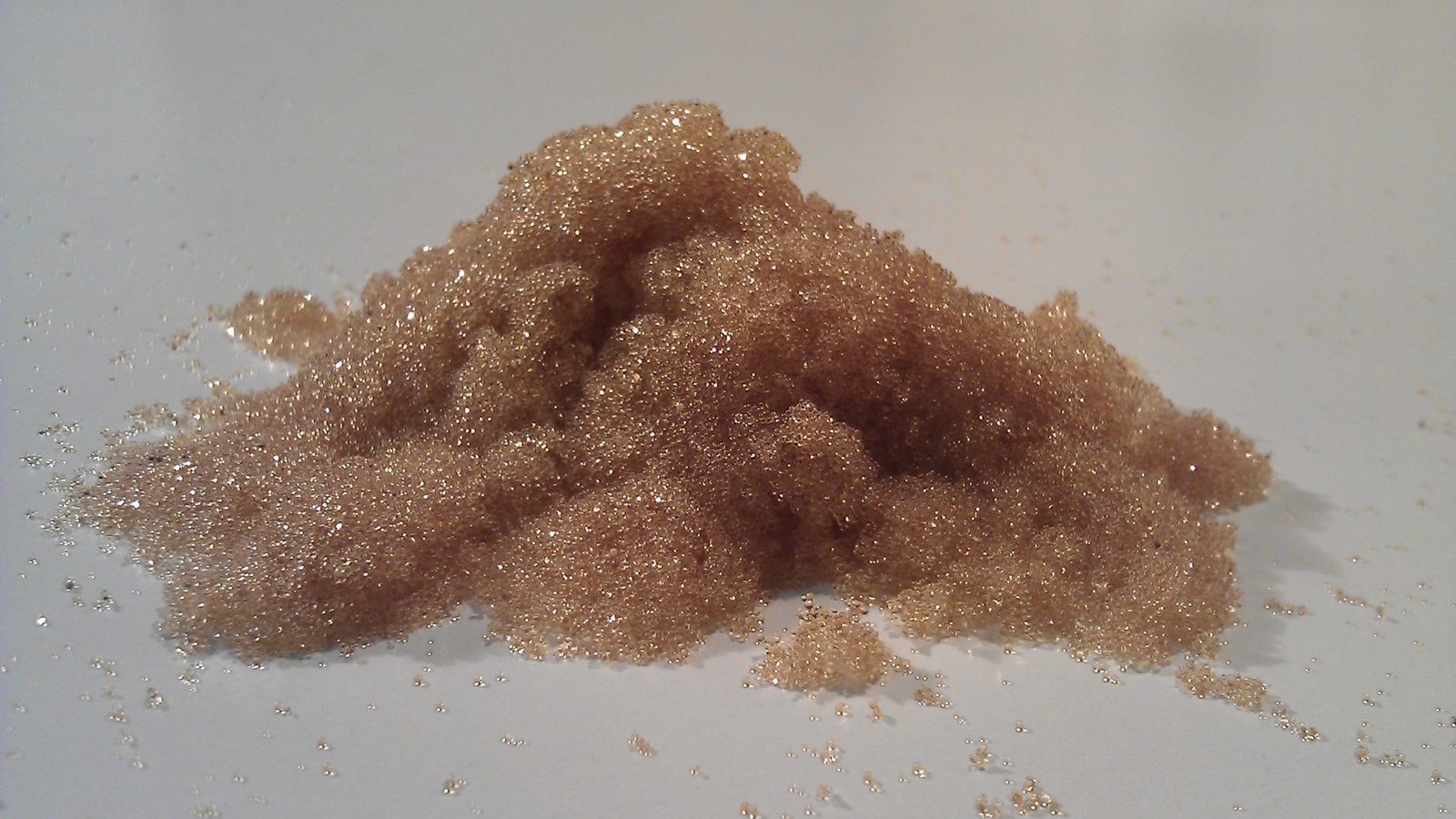
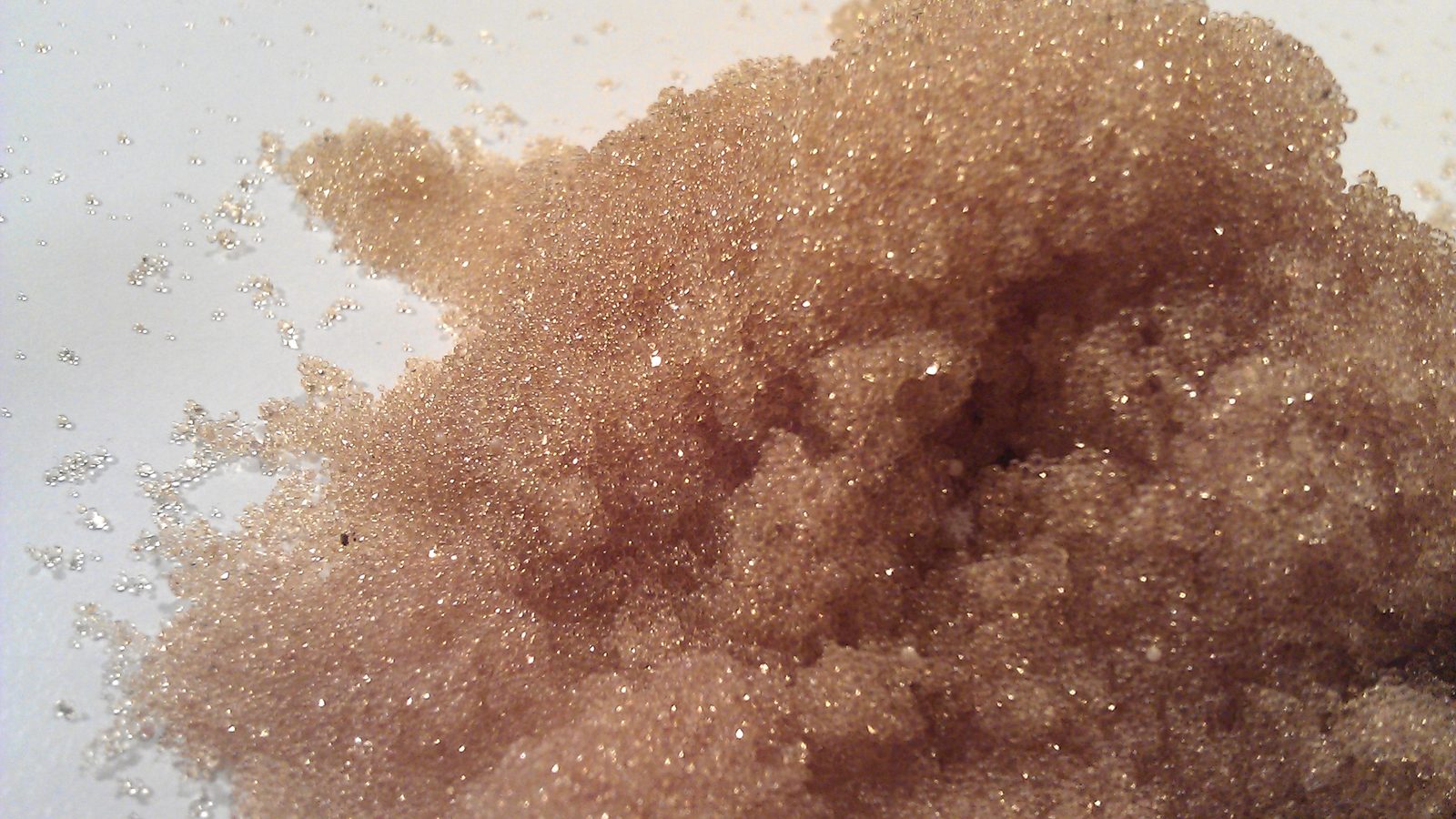
The tank holds one to two and a half cubic feet of plastic beads, each smaller than a millimeter. Every bead is covered in sites that hold a loosely attached sodium ion. Calcium and magnesium cling to those sites more strongly than sodium does, so as hard water flows down through the bed, the beads grab the hardness and release sodium in its place. Penn State Extension puts the added sodium at 7.5 mg per quart for each grain per gallon removed.
The water that comes out the bottom is soft until most of the sites are holding calcium and magnesium. At that point the bed is spent and hardness starts to slip through.
Why it needs salt
Salt water reverses the trade. Flood the bed with strong brine and the sheer number of sodium ions pushes the calcium and magnesium back off the beads. Rinse that out and the beads are ready again. The salt in the brine tank exists only to make that brine. It never goes into the house.
The regeneration cycle
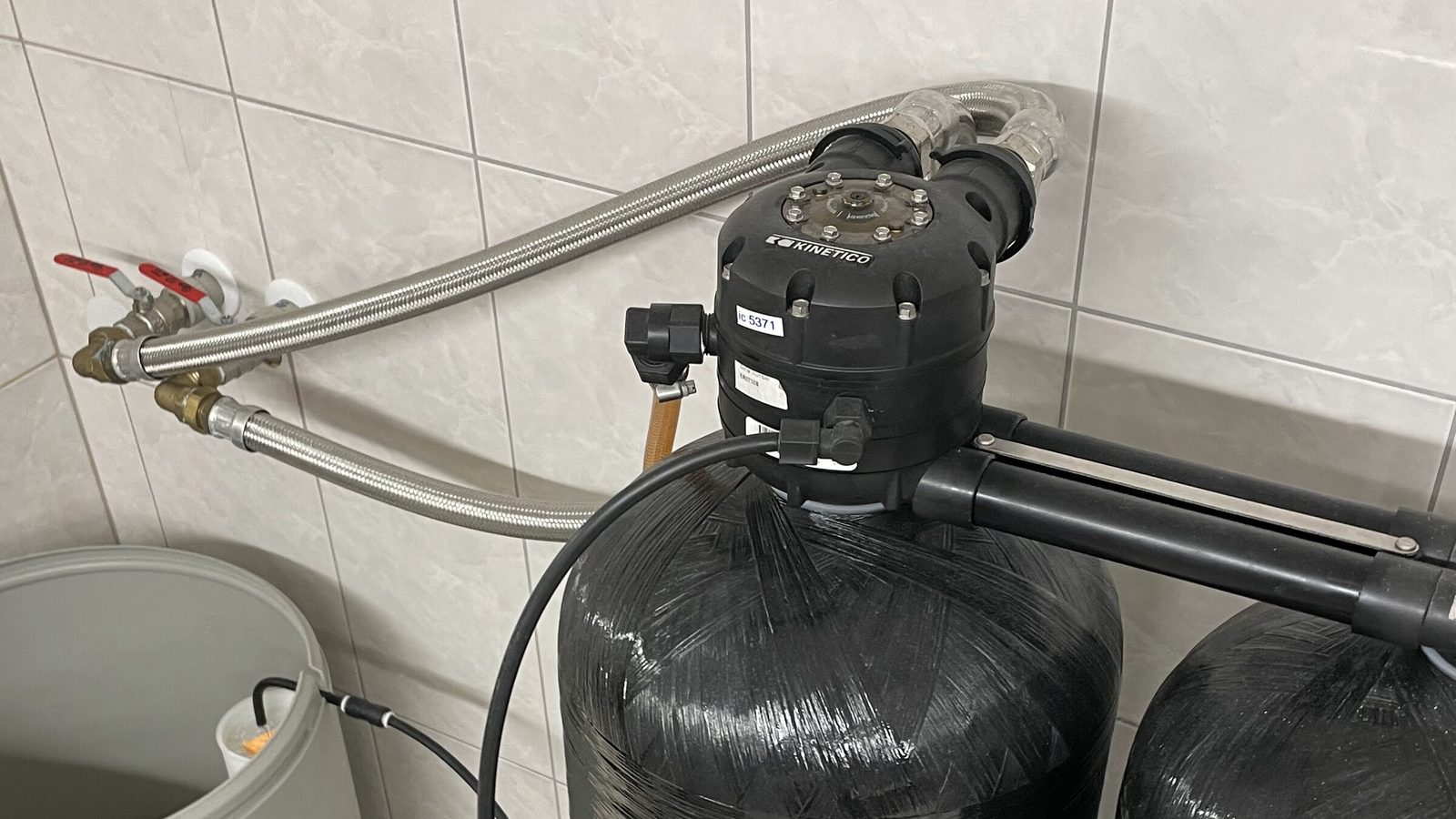
The valve on top of the resin tank runs the cycle, usually in the small hours. Aquasure’s manual labels the steps the way most valves display them:
- Backwash (BW). Water flows up through the bed, lifting and loosening the beads and flushing sediment out the drain.
- Brine draw and slow rinse (BD). An injector in the valve pulls brine from the salt tank and draws it slowly down through the resin. This is the step that strips the hardness. Plain water follows at the same slow rate to push the last of the brine through.
- Rapid rinse (RR). A fast downflow rinse packs the bed and clears the remaining brine.
- Brine refill (BF). The valve sends a measured amount of water back into the salt tank, which dissolves salt for the next regeneration. The amount of refill water sets the salt dose.
- Service. The valve returns to softening.
A full cycle takes one to two hours and, by Penn State Extension’s figure, about 50 gallons of water. During it, most valves send untreated water to the house, which is why regeneration is scheduled at night.
What the valve counts
A metered valve, such as the Fleck 5600SXT, measures every gallon that passes. You enter the hardness, and the valve works out how many gallons the bed can soften before it is spent. When the remaining capacity falls below a reserve, it regenerates that night. A timer valve regenerates on a fixed schedule whether the water was used or not, which wastes salt in a quiet week and runs out in a busy one.
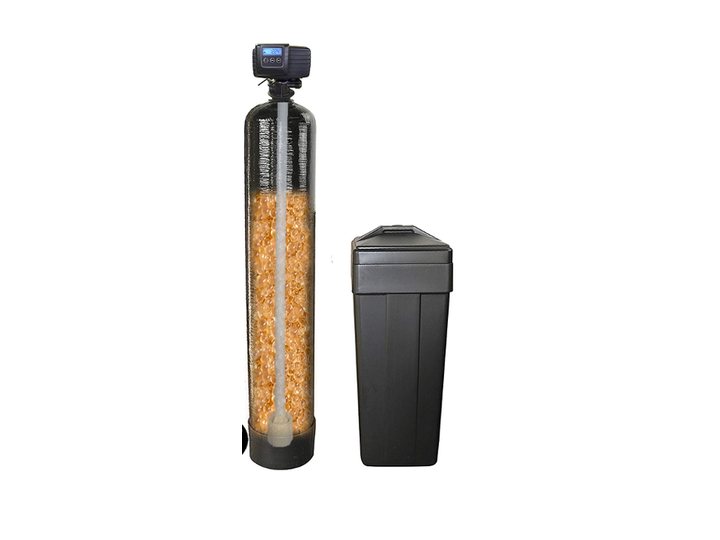
Single-tank softener, metered regeneration
Fleck 5600SXT 48,000 grain, 10% resin
AFWFilters Fleck 5600SXT 48k with 10% crosslink resin
The common do-it-yourself build: Pentair's Fleck 5600SXT valve on a 10 x 54 in tank holding 1.5 cubic feet of 10% crosslink resin, which tolerates chlorinated city water longer than standard 8% resin. The valve counts gallons and regenerates only when the resin is close to used up.
- Valve
- Fleck 5600SXT, digital metered
- Resin
- 1.5 cu ft, 10% crosslink, preloaded
- Tank
- 10 × 54 in; brine tank holds 250 lb of salt (listing)
- Flow
- 6–8 gpm service, 9–10 gpm peak (AFW)
- Ports
- 1 in NPT with bypass (listing)
- Warranty
- 5 years valve, 10 years tank (AFW)
Suits: Two to five people on city or well water up to the high teens in grains per gallon, and an owner who will set the hardness and salt dose from the manual.
Weigh: You program it yourself, and the 3/4 in valve sets the flow ceiling for a large house with several showers running. The 48,000 figure is the capacity at the maximum salt dose; at a thriftier setting it delivers closer to two thirds of that.
Capacity and salt
A “48,000-grain” softener holds 48,000 grains only at the maximum salt dose, about 15 lb per cubic foot of resin. At lower doses each pound of salt does more work, and the bed holds less between regenerations. GE publishes the curve for its 35,000-grain cabinet: 37,065 grains at 17.1 lb of salt, 32,636 at 9.8 lb and 13,311 at 2.6 lb. The sizing calculator shows the trade-off for your water.
What softening does not do
Ion exchange removes hardness and small amounts of dissolved iron. It does nothing for chlorine, chloramine, sediment, sulfur smell or bacteria. Chlorine slowly damages the resin, so on city water a carbon filter often goes in front.