Guides
Installing a softener, what to check when it stops softening, keeping the brine tank and resin clean, which salt to buy, and how the softening actually works.
Salt-based water softeners
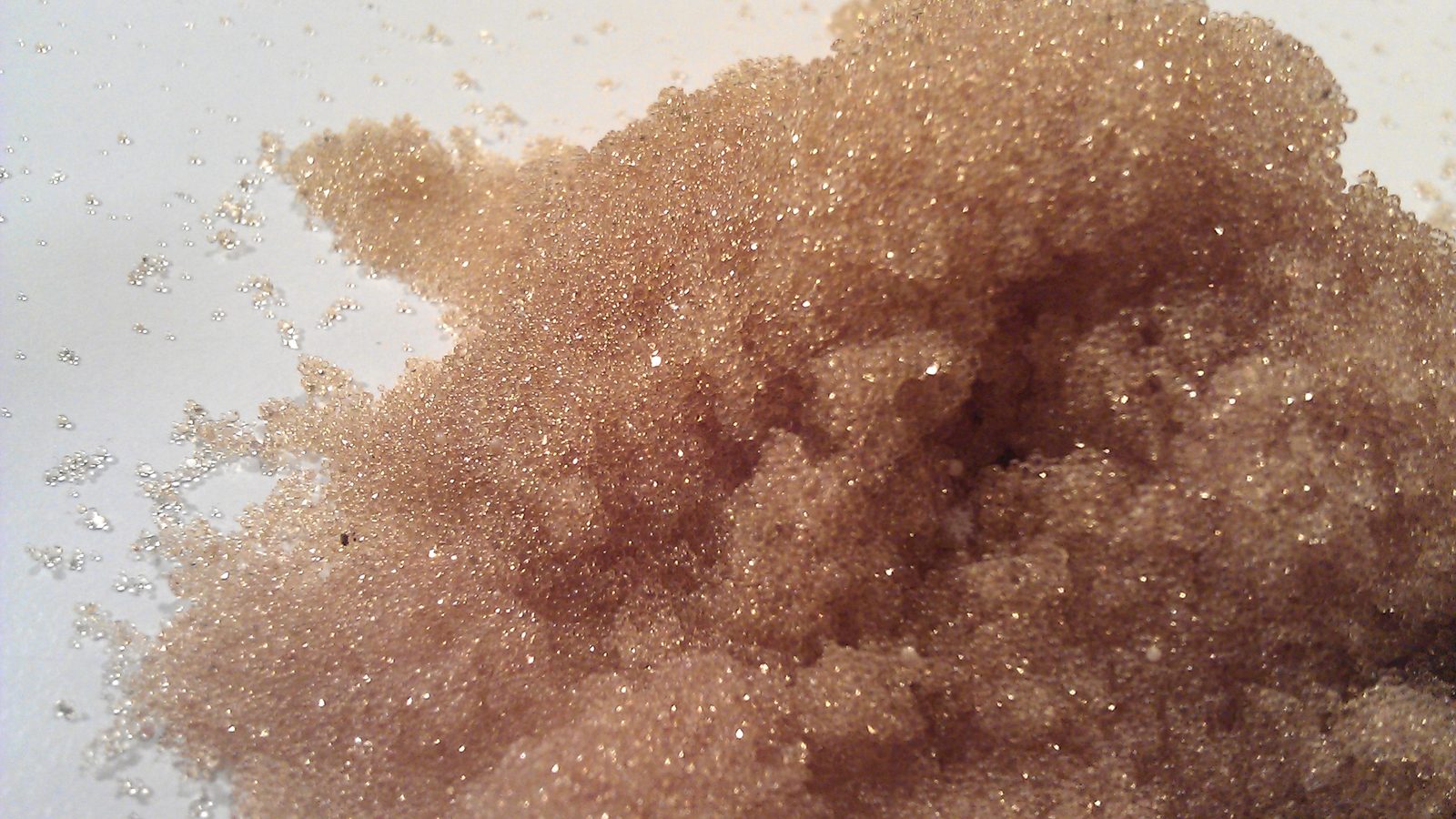
How a water softener works: resin, brine and the regeneration cycle
Ion exchange in plain terms: what the resin beads do, why a softener needs salt, the five steps of a regeneration, and what a metered valve is counting.
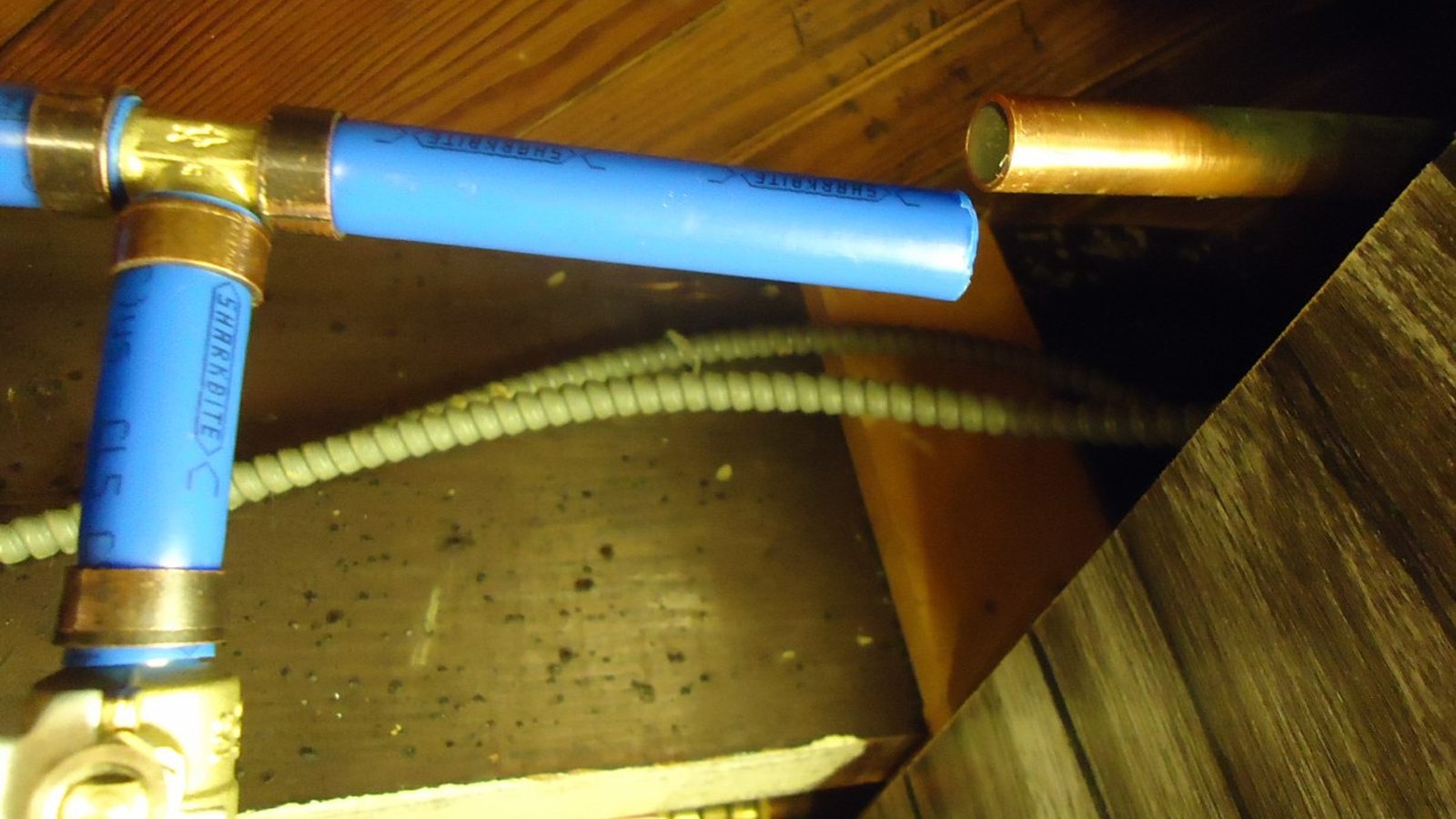
Installing a water softener: placement, bypass, drain and first regeneration
Where a softener goes on the main line, which taps stay hard, the drain air gap, the bypass, grounding on copper pipe, and the start-up sequence, from the makers' manuals.
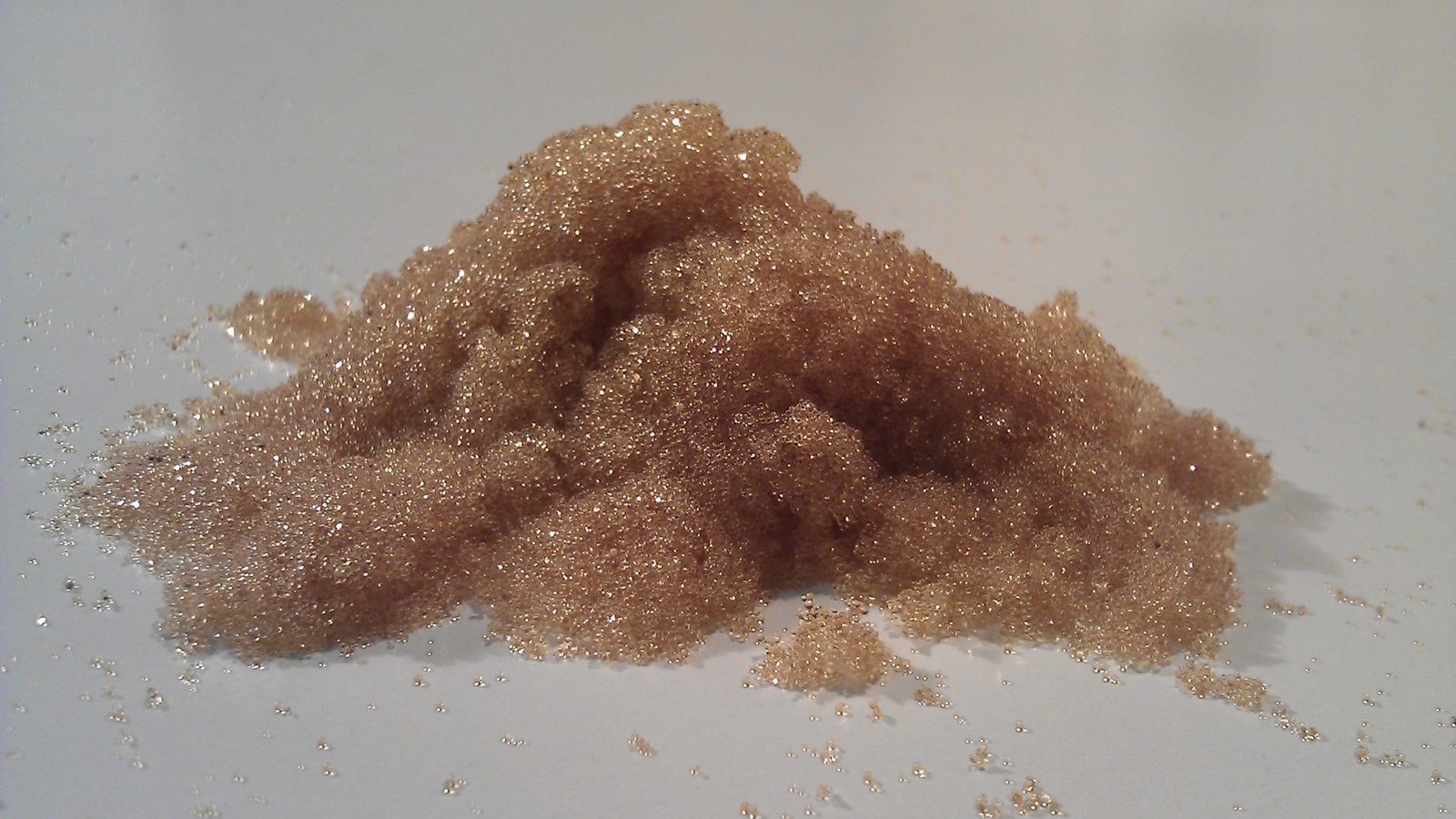
Water softener maintenance: brine tank cleaning, resin cleaner and a yearly check
What a softener needs over a year: salt checks, a yearly brine tank cleaning, resin cleaner on iron-bearing water, sanitizing, and the carbon and pre-filter changes that protect the resin.
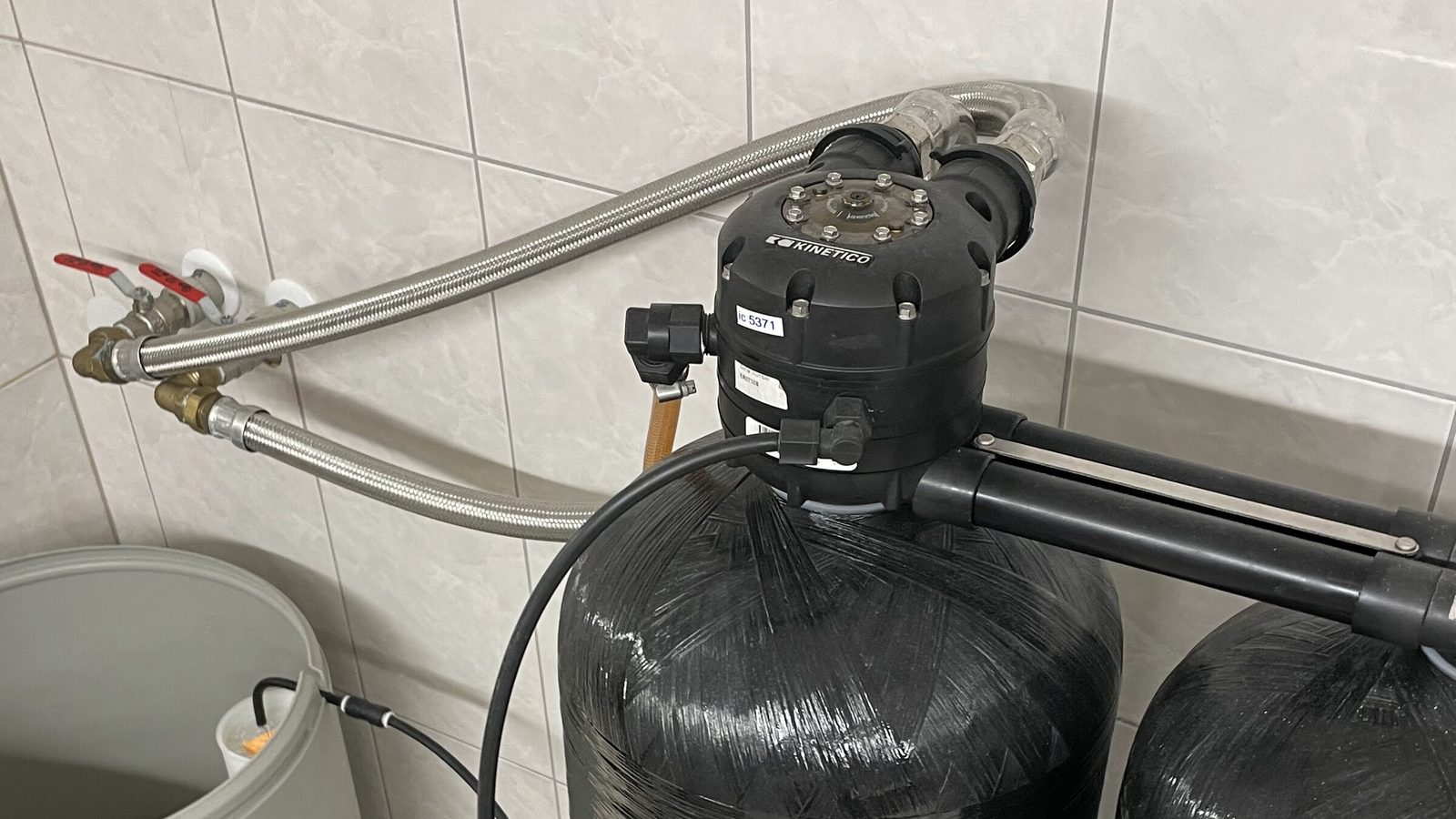
Water softener not softening: what to check, in order
Hard water again after a softener was working: the bypass, salt bridges, the hardness setting, a plugged injector or drain line, a brine tank that never empties, and resin worn out by chlorine or fouled by iron.
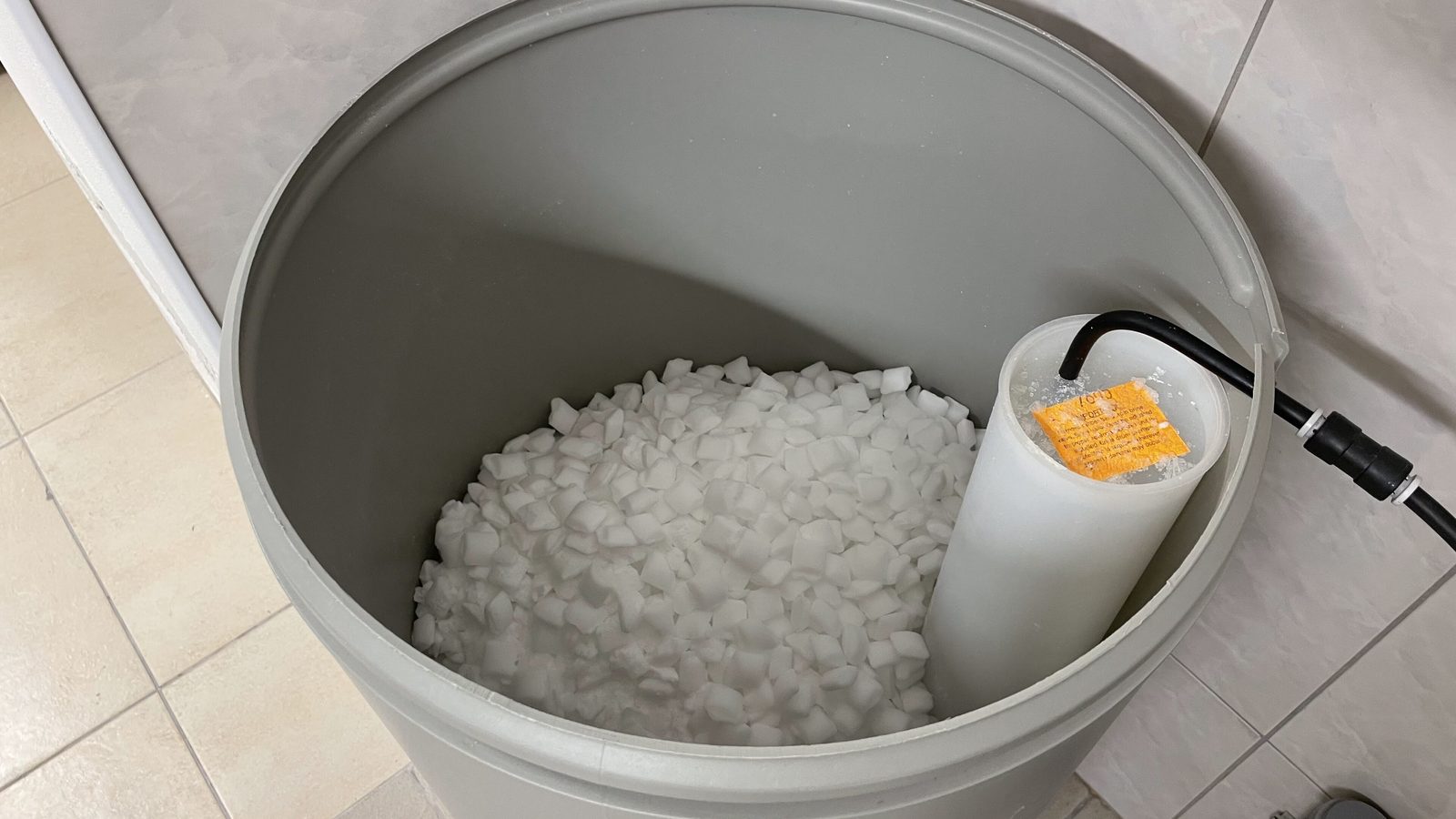
Water softener salt: pellets, crystals, rock salt or potassium chloride
What each kind of softener salt does in the brine tank, which ones leave residue or bridge, what potassium chloride changes in the valve setting, and how much salt a year to expect.