Product links on this page go to Amazon. If you buy through them, Which Water Softener earns a commission. How we pick and earn
Spots on the glasses, soap that will not lather, a test strip that reads hard. A softener that has stopped softening almost always has one of a handful of causes, and most of them take minutes to check. Work through them in this order, cheapest first. The causes and corrections come from the troubleshooting table in Aquasure’s Harmony manual, and they apply to Fleck and most other single-tank valves.
First, confirm it with a test
Test a softened cold tap, and the incoming water from an outside faucet that bypasses the softener. If the softened tap reads near zero, the softener is fine and the spotting has another cause. If both read the same, the softener is not treating the water at all.
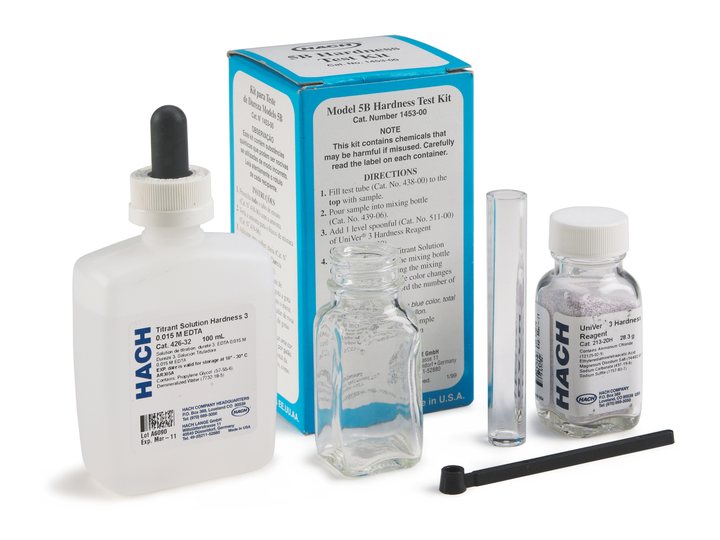
Drop-count titration kit
Hach Total Hardness Test Kit 5-B
Hach 145300
Add indicator, then count drops of titrant until the sample turns blue: each drop is one grain per gallon. That reads hardness directly in the unit a softener valve asks for.
- Method
- EDTA drop-count titration, UniVer 3 indicator
- Range
- 1–30 gpg, one drop per gpg
- Tests
- About 100
Suits: Setting a softener's hardness value, and checking the output after it regenerates.
Weigh: It takes a minute per test and some care with the drops. About 100 tests from the reagents, up to 30 gpg.
The bypass
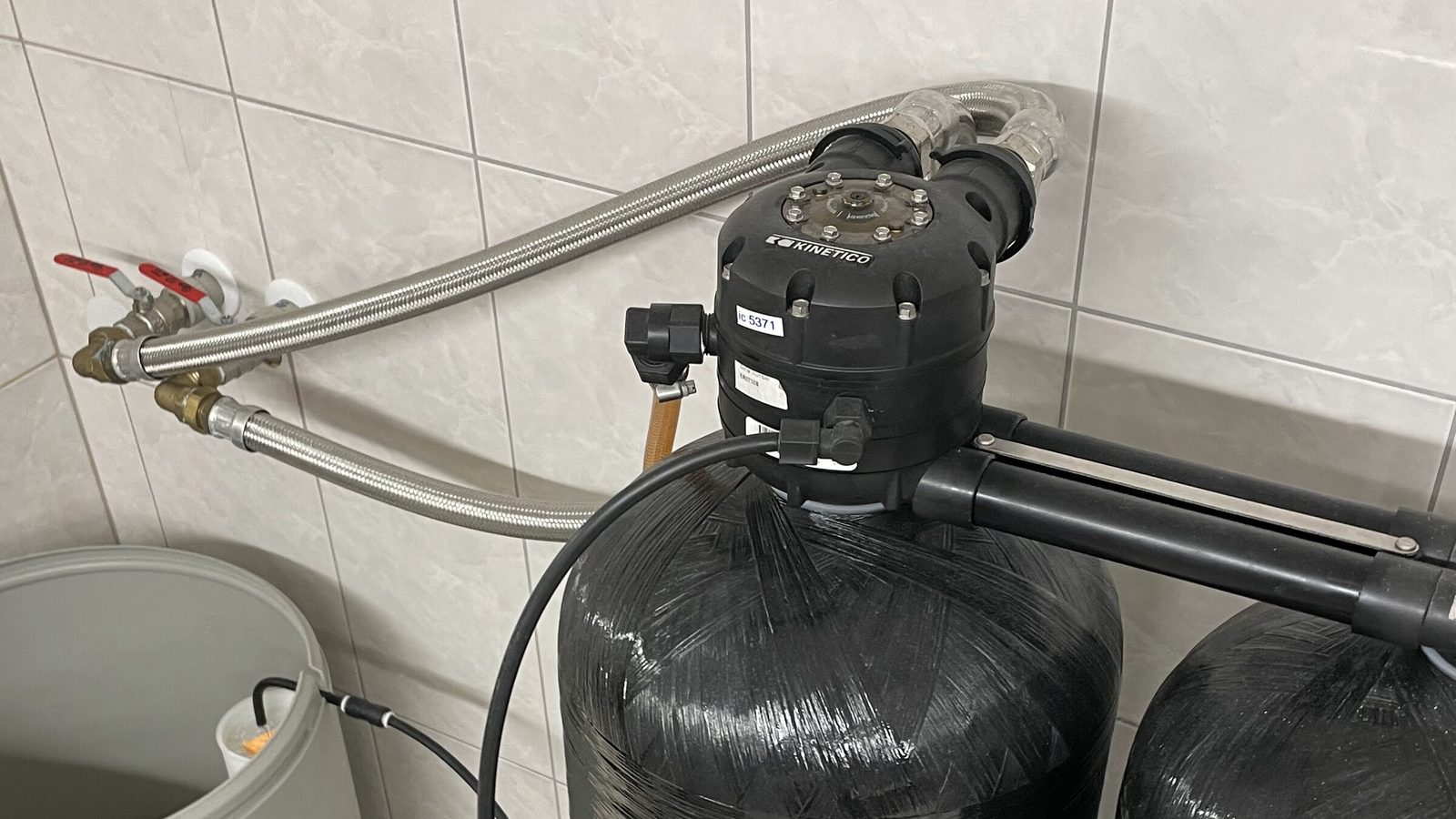
A bypass handle left half open after a repair, or turned by someone looking for the main shut-off, sends hard water straight to the house. Aquasure’s table lists “bypass is open” under poor water quality. Check that both handles are in the service position.
Salt level and salt bridges
Look in the brine tank. Without salt the softener has no brine to regenerate with. If the tank looks full, push a broom handle down through the salt. A hard crust with an empty space underneath is a salt bridge: the salt has fused into a shelf above the water, so the refill water never touches it and the softener draws plain water. Humid garages are prone to it. Break the crust up, scoop out the loose chunks, and run a manual regeneration.
Mushing is the related problem: a sludge of recrystallized salt at the bottom that blocks the brine well. The salt guide covers which salts are more prone to both.
The hardness setting
The valve can only work with the hardness it was told. If it was set from a guess at installation, or the utility has changed its supply since, the bed runs out before the valve thinks it should. Utilities change their source mix in droughts and during plant work, and Florida utilities report hardness that varies by plant and season. Retest the incoming water and reprogram. Add about 4 gpg per ppm of iron on a well.
Water standing in the brine tank
After a regeneration, the brine tank should hold only the refill water, a few inches to several inches deep depending on the model. Too much water, or a level that never drops, means the valve is not drawing brine. Aquasure’s list of causes:
- Plugged drain line or drain flow control. A kinked hose, or one frozen or crushed. The valve needs a clear drain to create the suction that draws brine.
- Plugged injector or injector screen. The injector is a small nozzle in the valve that pulls brine. Sediment and resin fines block it. It unscrews for cleaning on most valves.
- Brine valve or safety float stuck.
- Low water pressure. The injector needs pressure to work.
- An air leak in the brine line.
Regenerating at the wrong time
A power outage can reset the clock so the softener regenerates mid-afternoon or skips a night. A disconnected meter cable means a metered valve never counts the gallons. Check the display time and that the meter cable is seated.
The resin itself
Resin usually outlasts the valve. Two things shorten its life:
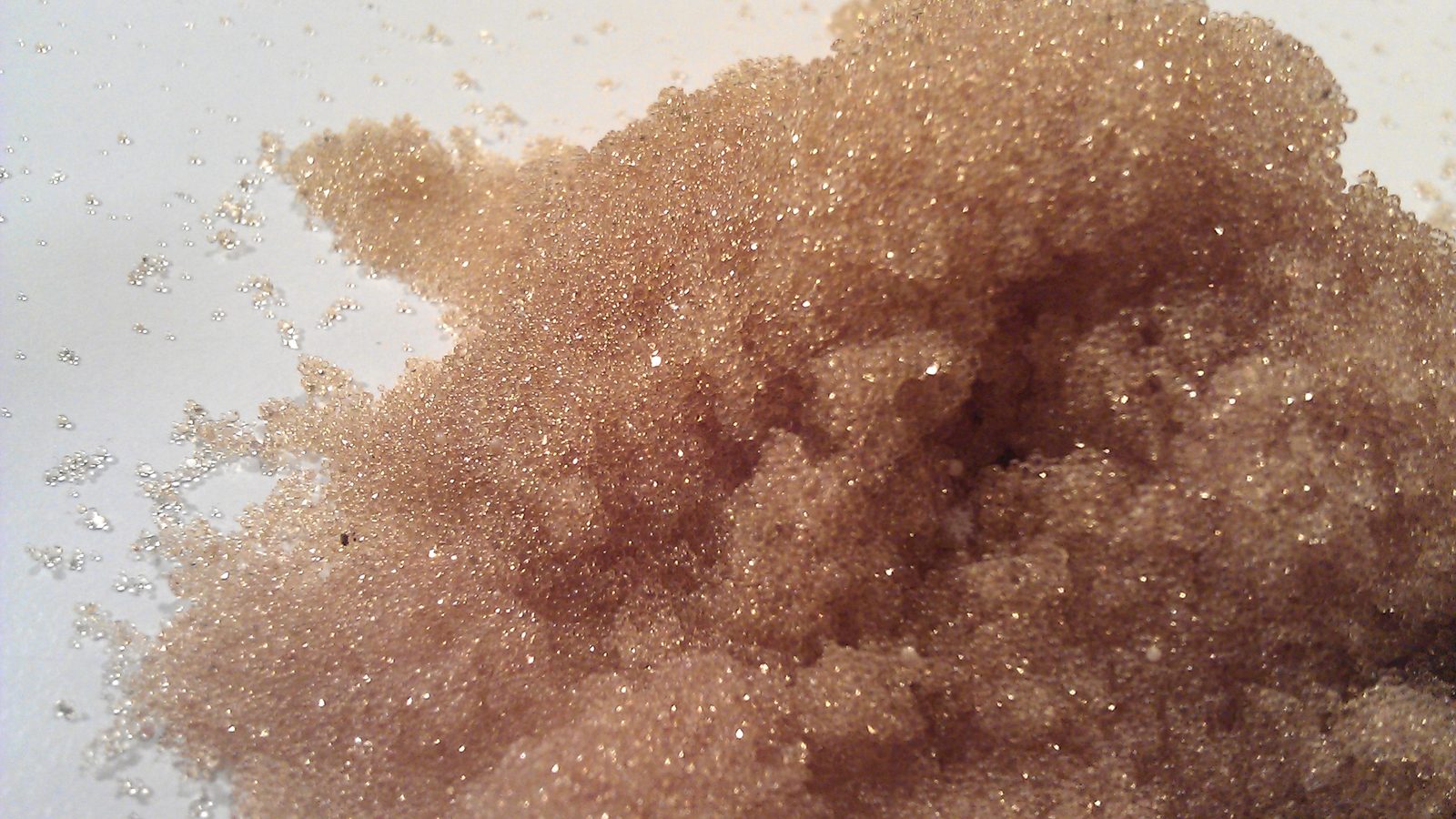
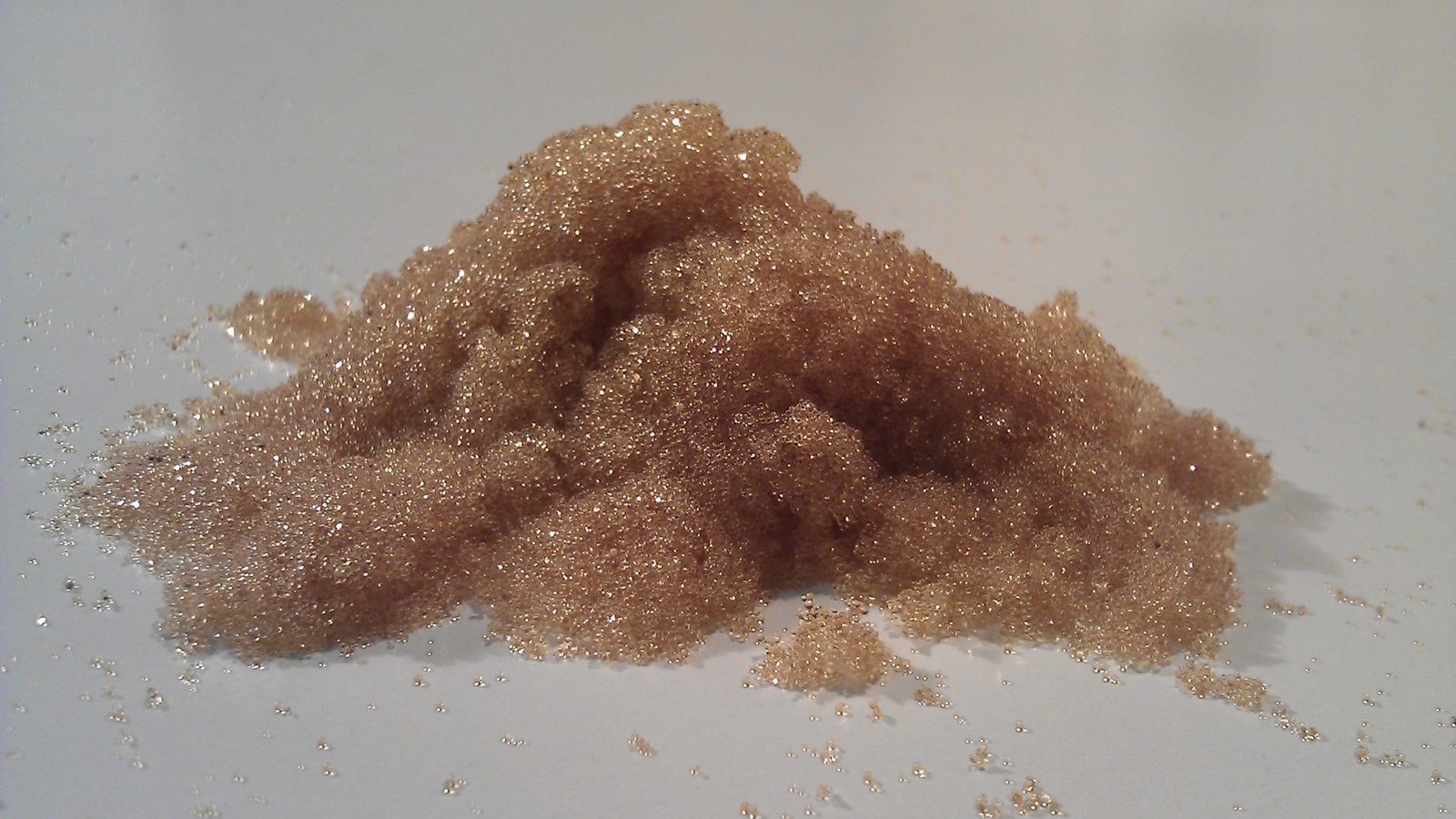
- Chlorine. Resin attacked by chlorine swells and turns soft. Aquasure’s table describes it as “mushy resin”; a 10% crosslink resin resists it longer. A softener on chlorinated city water for a decade or more is the usual case. Replacing the resin, and adding carbon ahead of it, is the fix.
- Iron fouling. Penn State Extension notes that oxidized iron, the kind that has been exposed to air or chlorine, clogs resin, and that commercial resin cleaners exist for it. Rust-colored stains in the brine tank are the sign. The maintenance guide covers cleaning.
When to call it
If the bypass, salt, setting and brine draw all check out and the water still reads hard after two regenerations, the problem is inside the valve (seals, spacers, piston) or the resin. Those are parts jobs, and the valve maker’s service manual covers them.