Product links on this page go to Amazon. If you buy through them, Which Water Softener earns a commission. How we pick and earn
A softener asks for very little. Keep salt in it, clean the brine tank once a year, and protect the resin from the two things that shorten its life: chlorine and iron. Penn State Extension notes that resin regenerated and maintained periodically should not need replacement.
Every month: salt
Keep the salt level above the water in the brine tank. Aquasure’s manual says to keep the brine tank full of salt at all times. Lift the lid, check the level, and push a broom handle through to make sure there is no salt bridge (a crust with a gap underneath). In a humid Florida garage, check more often.
Once a year: clean the brine tank
Aquasure’s manual calls for a yearly cleaning. Undissolved residue builds up at the bottom, and more of it with rock and solar salt.
- Let the salt run low, or plan the job for when it is nearly empty.
- Put the softener in bypass.
- Disconnect the brine line and lift out the brine well cover and float assembly if your model allows.
- Scoop out the remaining salt and the sludge at the bottom, then tip out the water.
- Scrub the inside with soap and water and rinse it well.
- Reassemble, add a few gallons of water and fresh salt, and run a manual regeneration.
Penn State Extension notes that bacteria and fungi can form mats in resin, and that periodic cleaning with chlorine bleach helps. Many valve makers give a sanitizing dose to pour into the brine well before a regeneration; follow the dose in your manual, because bleach also attacks resin.
On well water with iron: resin cleaner
Clear-water iron is removed by a softener, but oxidized iron clogs the resin, Penn State Extension says. Resin cleaners made for softeners, added to the brine well or fed with the salt, strip it back off. Rust-colored residue in the brine tank, or water that slowly gets harder between regenerations, are the signs. If you are using cleaner every few weeks, the iron belongs in a separate filter ahead of the softener; see well water.
Protect the resin from chlorine
On city water, chlorine and chloramine slowly break resin down. Aquasure caps them at 2 ppm and recommends carbon ahead of the softener above that. If you have a carbon filter, it has its own schedule: backwashing tanks run themselves, and upflow tanks need their carbon replaced when chlorine taste comes back. A sediment pre-filter cartridge in front of either needs changing when pressure drops.
Check the setting once a year
Test the incoming water and compare it with the hardness programmed into the valve. Utilities change their supply, and a well can change over time. A setting that is too low leaves hard water at the end of each cycle; one that is too high wastes salt.
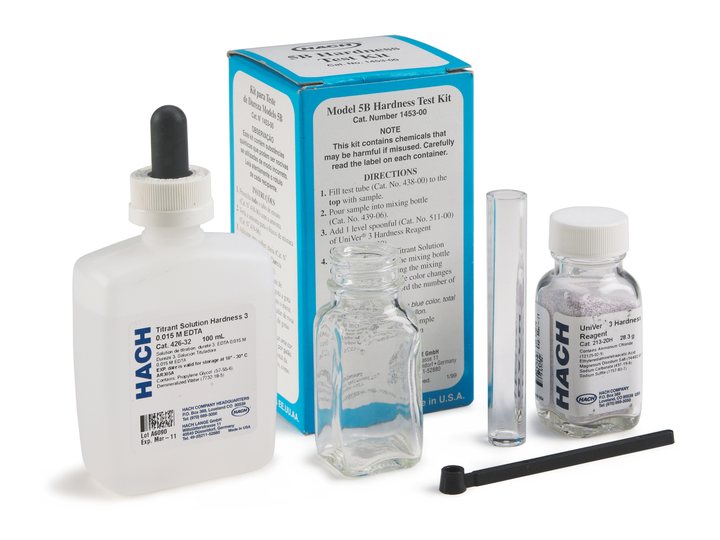
Drop-count titration kit
Hach Total Hardness Test Kit 5-B
Hach 145300
Add indicator, then count drops of titrant until the sample turns blue: each drop is one grain per gallon. That reads hardness directly in the unit a softener valve asks for.
- Method
- EDTA drop-count titration, UniVer 3 indicator
- Range
- 1–30 gpg, one drop per gpg
- Tests
- About 100
Suits: Setting a softener's hardness value, and checking the output after it regenerates.
Weigh: It takes a minute per test and some care with the drops. About 100 tests from the reagents, up to 30 gpg.
What wears out
- Valve seals and spacers. Fleck sells seal and spacer kits for the 5600SXT; leaks at the drain line between regenerations are the usual sign.
- Injector and screen. Cleaned when brine draw fails, replaced if damaged.
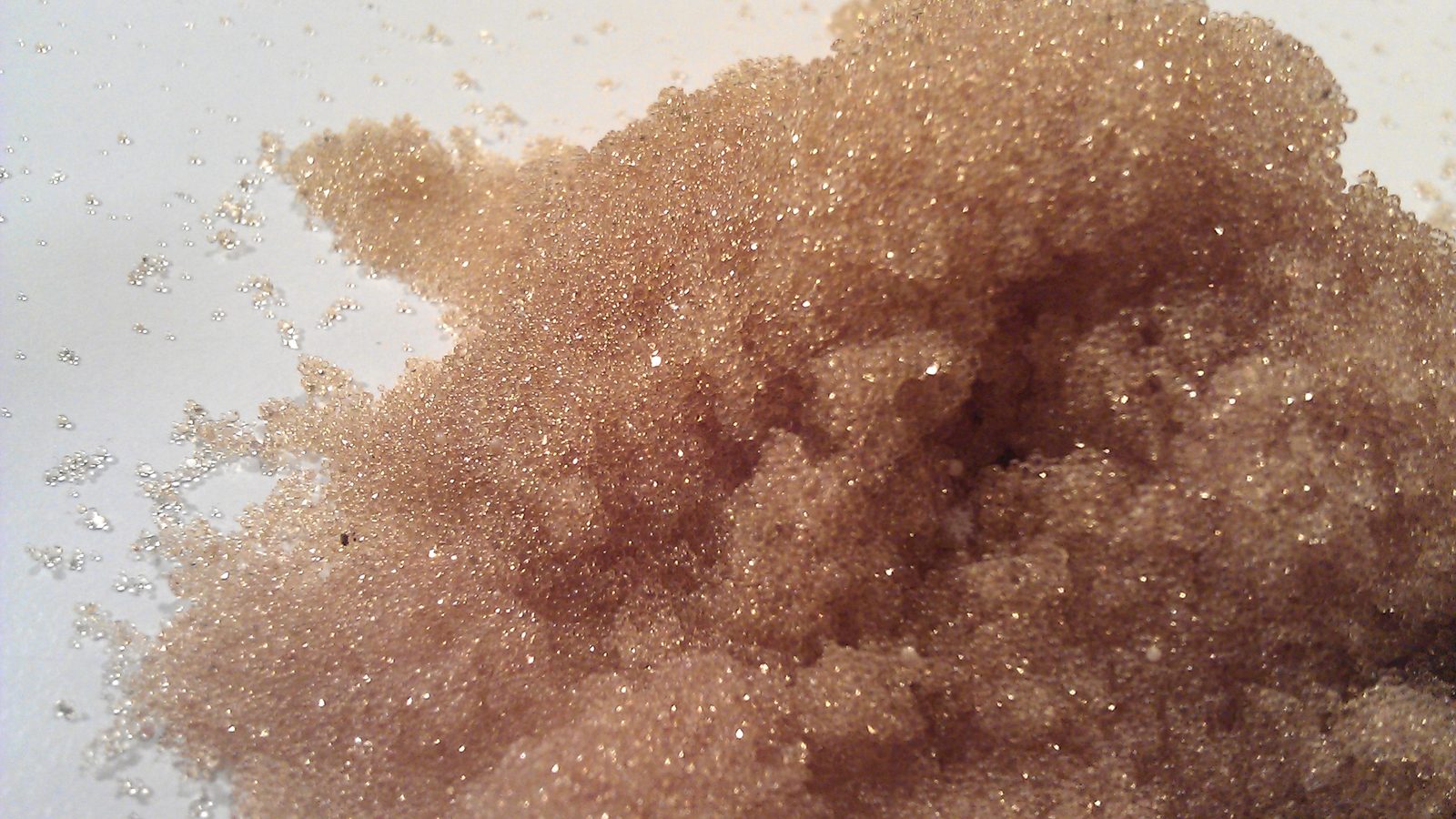
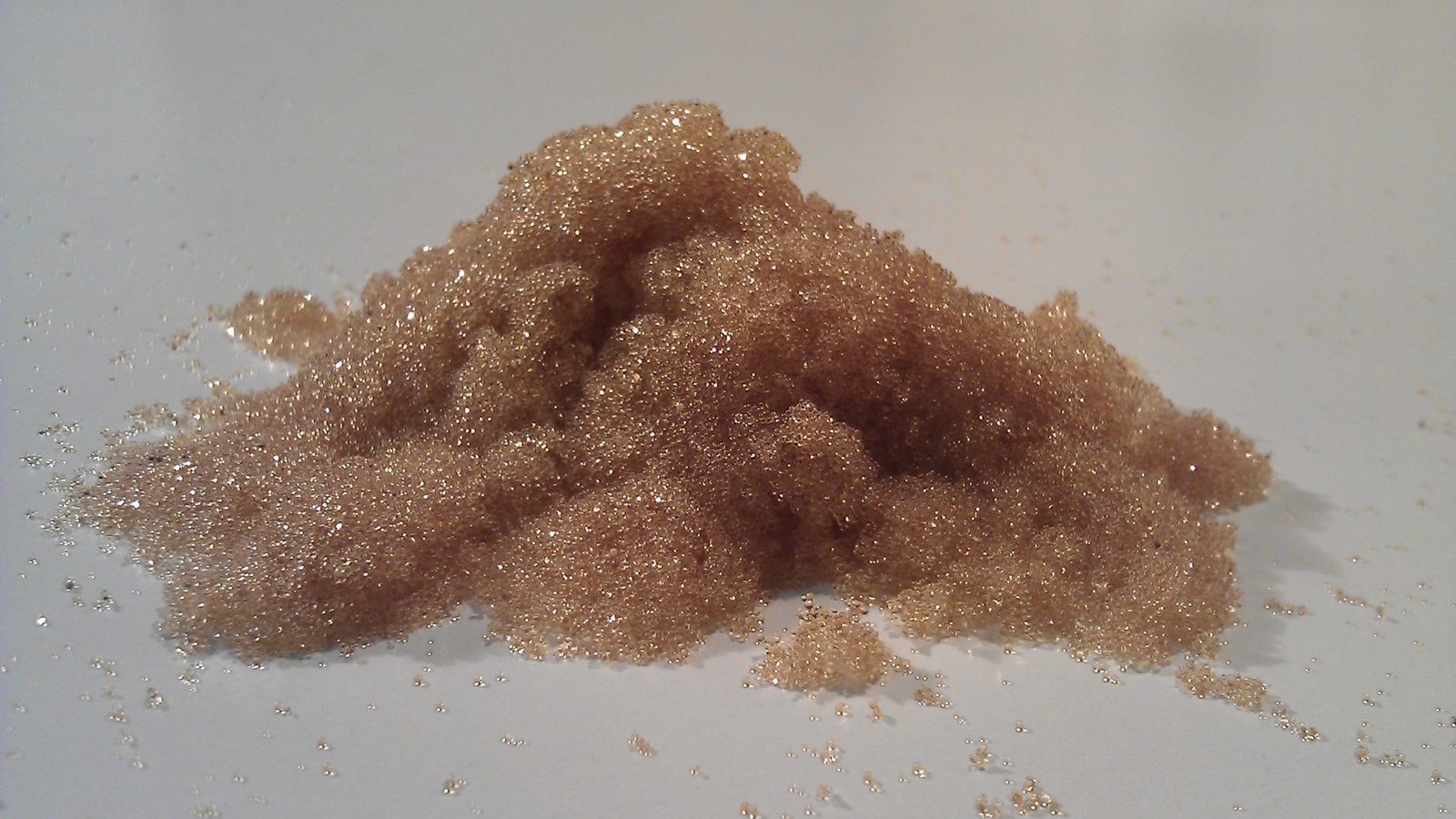
- Resin. Replaced when it has gone soft from chlorine or cannot be cleaned of iron. A full resin change on a 1.5 cubic foot tank is a few hours of work.